
Greenpeace warns of rising human toll from North Africa wildfires
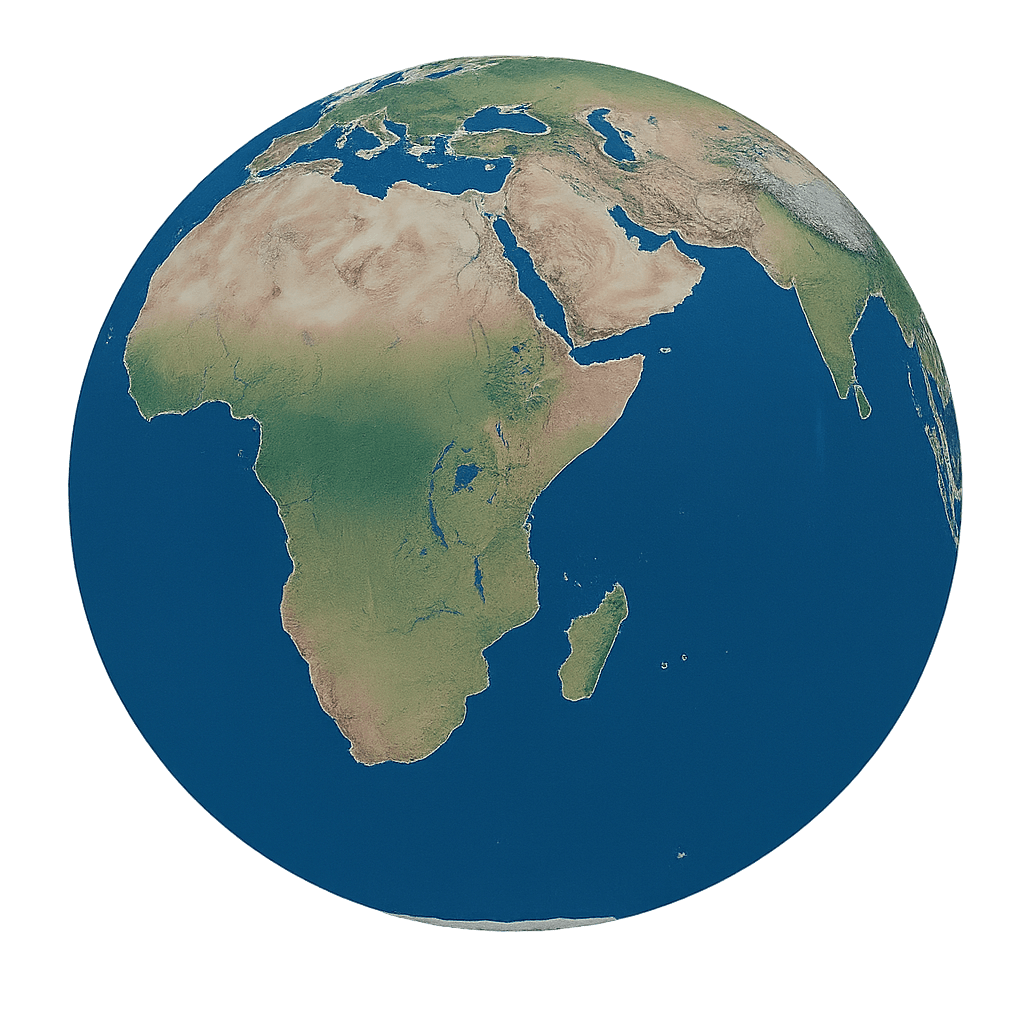
Greenpeace Middle East and North Africa says deadly fires in Algeria, Tunisia and Morocco show how climate change is intensifying wildfire risk across the region. The group is calling for urgent emissions cuts, adaptation spending and climate finance as heat and drought worsen.
Why it matters: - Greenpeace Middle East and North Africa says the fires in Algeria, Tunisia and Morocco are a warning sign for a region already heating at nearly twice the global average. - The group says the damage goes beyond burned land and homes, reaching lives, health, housing security and long-term community resilience. - The fires also point to a broader risk: hotter temperatures, longer droughts and weaker ecosystems can make future blazes more frequent, faster-moving and more destructive.
What happened: - Deadly forest fires swept parts of northern Algeria, killing at least six people, injuring dozens, displacing residents and damaging about 150 homes. - Tunisia recorded more than 600 fires in July that burned more than 240 hectares. - Wildfires broke out in Tamtmazar, in Morocco’s Taroudant province, during an intense heatwave. - Greenpeace Middle East and North Africa issued the warning on July 27, 2026, from Beirut.
The details: - Greenpeace Middle East and North Africa says the fires are not isolated events. - The group says the region is seeing a growing pattern of extreme weather driven by rising temperatures and prolonged drought. - Kenzi Azmi, regional campaigner at Greenpeace Middle East and North Africa, said the losses extend beyond direct property damage. - Azmi said each fire leaves behind families who lose homes, communities forced off their land and ecosystems that may take decades to recover. - Azmi called for serious investment in adaptation and prevention, accountability from states and actors most responsible for historic emissions, and climate finance for affected communities. - The group said some fires may be linked to direct human causes, but climate change makes ignition more likely, spread faster and impacts more severe.
Between the lines: - Greenpeace is framing the fires as a climate justice issue, not just a disaster-response issue. - The message shifts responsibility toward both cutting emissions and funding resilience, especially in vulnerable countries with limited room to absorb repeated shocks. - The warning also suggests North Africa may face a cycle of heat, fire and water stress unless governments move faster on prevention and adaptation.
What's next: - Greenpeace Middle East and North Africa is pressing for rapid global emissions cuts and stronger investment in adaptation and resilience. - The group says communities in the region will face more extreme heat, larger fires, worsening water scarcity and repeated climate crises without those changes. - The organization shared its statement through its regional social channels, including LinkedIn, Instagram, Facebook, YouTube, TikTok and X.
The bottom line: - The fires in Algeria, Tunisia and Morocco are being presented as evidence that climate risk in North Africa is no longer distant. It is here, and it is already costing lives and livelihoods.
Disclaimer: This article was produced by AGP Wire with the assistance of artificial intelligence based on original source content and has been refined to improve clarity, structure, and readability. This content is provided on an “as is” basis. While care has been taken in its preparation, it may contain inaccuracies or omissions, and readers should consult the original source and independently verify key information where appropriate. This content is for informational purposes only and does not constitute legal, financial, investment, or other professional advice.
Sign up for:
Environmental News Watch
The daily local news briefing you can trust. Every day. Subscribe now.
Check Your Email!
We sent a one-time activation link to: .
Confirm it's you by clicking the email link.
If the email is not in your inbox, check spam or try again.
Welcome back!
is already signed up. Check your inbox for updates.