

Roof Coatings Help Extend Commercial Roof Lifespans and Reduce Long-Term Operating Costs
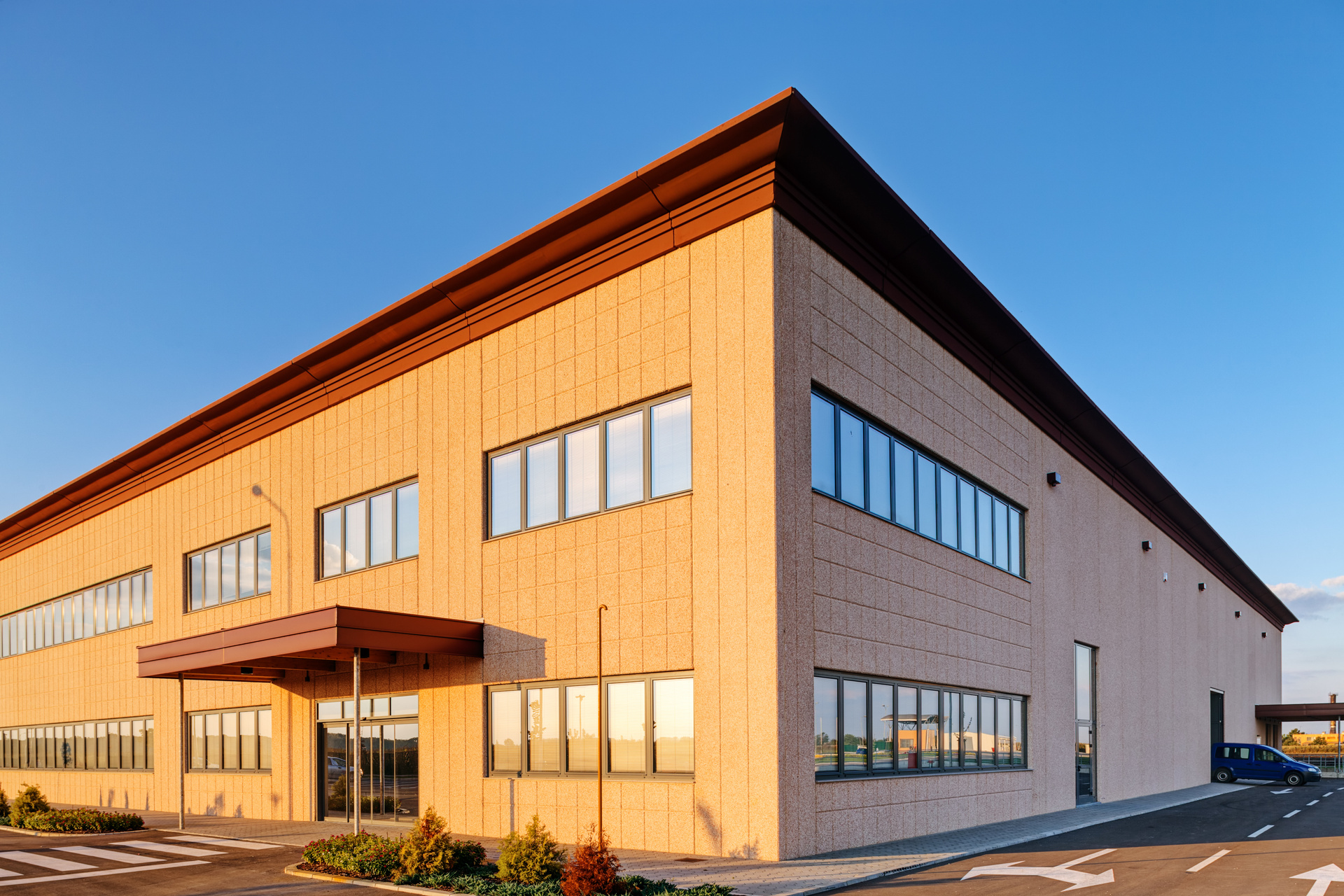
Commercial roof coatings provide a practical way to preserve existing roofing systems when structural integrity is still intact”
SLIDELL, LA, UNITED STATES, February 19, 2026 /EINPresswire.com/ -- Commercial property owners across Louisiana are increasingly turning to roof coating systems as a practical strategy for extending roof life and managing long-term maintenance expenses. As building materials age under exposure to heat, humidity, ultraviolet radiation, and severe weather, protective coatings provide an additional layer of defense that can delay costly full roof replacements.— Jules Albert III
Commercial roofing systems—whether metal, modified bitumen, single-ply membranes, or built-up roofs—are subject to constant environmental stress. Over time, expansion and contraction, ponding water, and surface degradation can weaken structural integrity. Roof coatings are designed to seal, reinforce, and protect existing systems without requiring complete tear-off.
Unlike full roof replacement, coating applications typically involve cleaning, repairing localized damage, and applying a liquid membrane that cures into a seamless protective layer. This process can restore waterproofing performance while preserving much of the original roofing structure.
Reflective roof coatings also contribute to energy management. Many coating systems are formulated with reflective properties that reduce heat absorption from direct sunlight. In climates such as Southeast Louisiana, where high temperatures persist for much of the year, reduced heat gain can decrease cooling demand inside commercial buildings.
Lower rooftop surface temperatures may help protect insulation layers beneath the membrane, further extending the service life of the roof assembly. Energy efficiency improvements may vary depending on building design and insulation condition, but reflective systems remain a consideration for facilities seeking operational cost control.
“Commercial roof coatings provide a practical way to preserve existing roofing systems when structural integrity is still intact,” said Jules Albert III, owner of Jaymar Roofing in Slidell, Louisiana. “With proper inspection and preparation, coatings can extend service life and delay the need for full replacement.”
Before applying a coating system, thorough inspection is critical. Roof decks must be evaluated for moisture intrusion, membrane separation, and structural damage. Areas with saturated insulation or severe deterioration typically require targeted repairs before coating application. Coatings are most effective when installed over stable substrates.
Common coating materials include acrylic, silicone, polyurethane, and asphalt-based formulations. Each type offers distinct performance characteristics. Acrylic coatings are known for reflectivity and UV resistance. Silicone coatings perform well in areas with frequent ponding water. Polyurethane coatings provide strong impact resistance in high-traffic zones.
The selection of coating type depends on roof material, slope, climate exposure, and expected foot traffic. Professional assessment helps determine compatibility and performance expectations.
In addition to waterproofing benefits, seamless coating systems reduce the number of joints and penetrations exposed to weather. Traditional roofing systems contain seams that may weaken over time. A properly applied coating creates a continuous membrane that reduces vulnerability to leaks.
Maintenance considerations also influence decision-making. Coated roofs often require periodic inspection and reapplication after a specified number of years, depending on product type and environmental exposure. Compared to full replacement, these maintenance cycles may offer cost advantages over the long term.
Commercial property owners managing large facilities, including warehouses, retail centers, office buildings, and industrial structures, often evaluate coating systems as part of capital expenditure planning. Extending roof life by several years can provide budget flexibility while preserving asset value.
Roof tear-offs involve labor, disposal costs, and operational disruption. Coating installations typically require less demolition and generate less waste. This approach may align with sustainability initiatives focused on reducing landfill contributions.
Albert emphasized the importance of professional evaluation prior to selecting a coating strategy. “Not every roof is a candidate for coating,” Albert said. “Proper inspection determines whether the existing system can support an additional protective layer.”
Building codes and manufacturer specifications must also be considered. Certain warranties may require adherence to approved coating systems and installation methods. Documentation of repairs and application processes supports compliance and future warranty claims.
Storm resilience remains a concern for commercial properties in hurricane-prone regions. While coatings enhance waterproofing performance, they are not substitutes for structural reinforcement in severely compromised systems. Wind uplift ratings and attachment methods must be evaluated in conjunction with coating plans.
Routine inspections play a critical role in maximizing coating effectiveness. Identifying minor punctures, seam separations, or drainage blockages early prevents larger failures. Preventative maintenance schedules contribute to long-term roof performance.
As material costs and labor expenses continue to fluctuate, property owners are seeking solutions that balance durability and cost efficiency. Roof coatings represent one option within broader asset management strategies. By reinforcing existing systems, coatings may postpone replacement timelines and distribute capital expenditures more gradually.
Commercial roofing decisions carry significant financial implications. Evaluating the current condition of roofing assets, understanding performance expectations, and aligning solutions with operational needs remain essential steps in effective facility management.
Across Southeast Louisiana and similar climates, roof coatings have emerged as a preservation strategy that addresses environmental exposure, energy considerations, and budget planning. Through proper assessment and application, coatings can serve as a practical tool for extending roof life while helping manage overall ownership costs.
Morgan Thomas
Rhino Digital, LLC
+1 504-875-5036
email us here
Visit us on social media:
Facebook
Legal Disclaimer:
EIN Presswire provides this news content "as is" without warranty of any kind. We do not accept any responsibility or liability for the accuracy, content, images, videos, licenses, completeness, legality, or reliability of the information contained in this article. If you have any complaints or copyright issues related to this article, kindly contact the author above.
