
Material Performance in Covered Outdoor Spaces Require Consideration of Moisture, Ventilation and Environmental Exposure
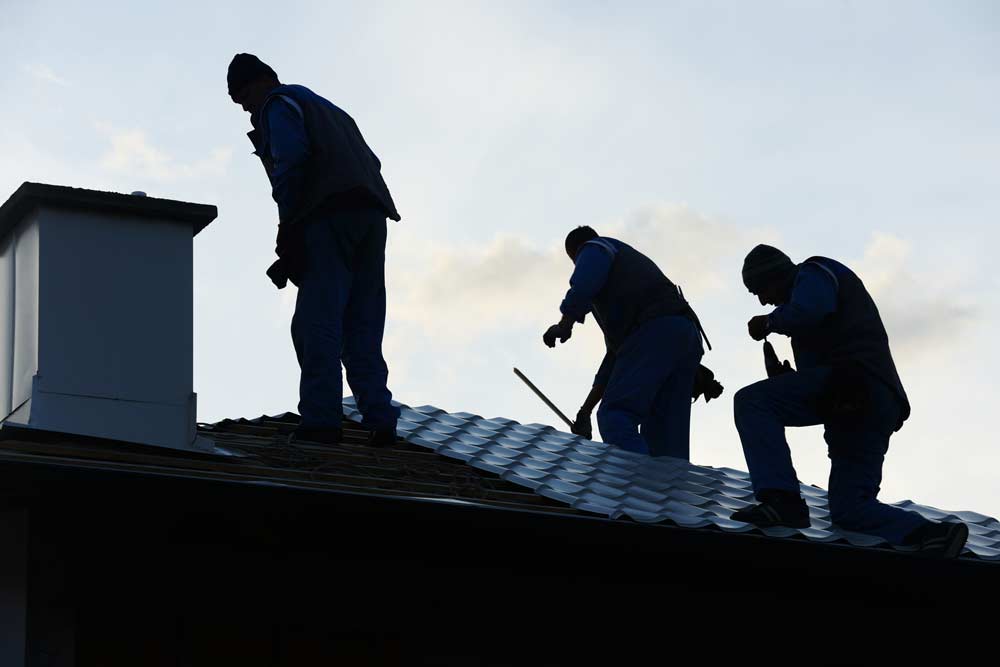
One common misconception is that materials installed beneath a roof experience the same conditions as materials installed indoors”
SLIDELL, LA, UNITED STATES, October 30, 2026 /EINPresswire.com/ -- — Elwin Ordoyne
E.C.O. Builders Inc. examines how roofing, flooring, framing, and finishing materials respond to environmental conditions in covered patios, outdoor kitchens, porches, and other partially enclosed spaces.
Covered outdoor spaces provide protection from direct rainfall and sunlight, but building materials installed beneath these structures remain exposed to environmental conditions that differ significantly from those encountered inside fully enclosed buildings. Humidity, temperature fluctuations, wind-driven rain, condensation, and limited ventilation can influence material performance, maintenance requirements, and long-term durability.
E.C.O. Builders Inc., a construction company based in Slidell, Louisiana, is highlighting several considerations associated with selecting and installing materials in covered outdoor environments, particularly throughout South Louisiana, where elevated humidity, seasonal storms, and prolonged periods of warm weather can affect construction materials.
Covered patios, screened porches, outdoor kitchens, carports, and attached recreational spaces frequently incorporate materials traditionally associated with either interior or exterior construction. However, the presence of a roof does not necessarily create conditions equivalent to an indoor environment.
Understanding the Difference Between Covered and Enclosed Spaces
A covered outdoor structure typically provides overhead protection while allowing outside air, moisture, and temperature changes to influence the surrounding environment.
Unlike conditioned interior spaces, covered patios and porches generally lack controlled humidity levels and consistent temperatures.
"One common misconception is that materials installed beneath a roof experience the same conditions as materials installed indoors," said Elwin Ordoyne, Vice President of E.C.O. Builders Inc. in Slidell, Louisiana. "A covered patio may remain dry during ordinary rainfall, but humidity, condensation, wind-driven moisture, and temperature changes can still affect flooring, framing, ceilings, and finishes."
These differences become particularly relevant when selecting products marketed primarily for interior applications.
Flooring Materials and Moisture Exposure
Flooring represents one area where environmental exposure can substantially influence material performance.
Ceramic and porcelain tile are frequently considered for covered outdoor applications because certain products offer resistance to moisture and temperature changes.
However, suitability depends on the specific tile, surface texture, installation method, substrate conditions, and manufacturer recommendations.
Exterior-rated tile systems may require appropriate waterproofing, drainage provisions, movement joints, and slip-resistance characteristics.
Natural stone materials, including travertine, slate, and limestone, can also be used in covered outdoor environments. Performance varies according to stone composition, porosity, surface treatment, and exposure conditions.
Some natural stone surfaces may absorb moisture or require periodic maintenance.
Wood flooring and wood-based composite products introduce additional considerations involving expansion, contraction, moisture retention, and ventilation beneath the finished surface.
Materials designed exclusively for climate-controlled interiors may experience dimensional changes, deterioration, or adhesive failures when exposed to outdoor humidity.
Ceiling Materials and Condensation
Covered outdoor ceilings may appear protected from environmental exposure, but moisture accumulation and condensation can create problems when unsuitable materials are installed.
Conventional interior drywall, for example, may not be appropriate for certain exterior ceiling applications, particularly where persistent humidity or wind-driven moisture is possible.
Exterior-rated ceiling systems, properly specified fiber cement products, and other materials designed for applicable exposure conditions may provide alternatives.
Wood ceiling materials can also be used, although species selection, finishing methods, fastening systems, and ventilation influence long-term performance.
"Ceiling materials often receive less attention because direct rainfall may never reach the finished surface," Ordoyne explained. "However, moisture can enter through surrounding air, roof assemblies, and condensation. Material selection should account for those conditions rather than relying exclusively on overhead protection."
Proper detailing around roof penetrations, lighting fixtures, and transitions between structural components can also affect moisture management.
Framing Materials and Structural Considerations
Structural framing in covered outdoor spaces must account for environmental exposure, loading requirements, and applicable building codes.
Pressure-treated lumber is commonly used in locations where wood framing may encounter moisture or conditions associated with decay.
However, treatment classifications vary, and materials should be selected according to intended use and exposure.
Metal framing systems introduce different considerations, including corrosion resistance, protective coatings, connection details, and compatibility with surrounding materials.
In coastal and high-humidity environments, corrosion can affect fasteners, connectors, and exposed metal components.
Fastener selection is particularly important when certain treated lumber products are used because incompatible metals may experience accelerated corrosion.
Structural components must also be designed for applicable wind loads, uplift forces, and other requirements established by local building regulations.
Outdoor Kitchens and Cabinet Materials
Covered outdoor kitchens combine environmental exposure with additional considerations involving heat, moisture, plumbing, and electrical installations.
Cabinet materials designed for conditioned interior spaces may not perform consistently in outdoor environments.
Conventional particleboard and certain interior-grade wood products can swell or deteriorate following prolonged moisture exposure.
Exterior-suitable cabinetry materials may include appropriately specified metals, polymers, masonry-based systems, or other products intended for outdoor installation.
Countertop selection also requires attention to ultraviolet exposure, thermal movement, staining, and manufacturer limitations.
Some countertop products commonly installed indoors may experience discoloration or other performance changes when exposed to sunlight and outdoor temperatures.
Cooking appliances additionally require appropriate clearances, ventilation, and installation practices consistent with manufacturer instructions and applicable codes.
Paints, Coatings, and Surface Finishes
Surface finishes contribute to appearance while also influencing resistance to moisture and environmental deterioration.
Exterior-rated paints and coatings are generally formulated to accommodate conditions different from those encountered by interior products.
However, coating performance depends on substrate preparation, moisture conditions, product compatibility, and application procedures.
Wood finishes may require periodic maintenance as exposure to humidity, ultraviolet radiation, and temperature changes affects protective coatings.
Even beneath covered structures, indirect sunlight and reflected ultraviolet exposure can influence surface appearance over time.
Planning for South Louisiana Conditions
South Louisiana's climate presents additional considerations involving prolonged humidity, heavy rainfall, tropical weather systems, and periodic temperature fluctuations.
Covered structures should incorporate appropriate drainage, ventilation, structural connections, and moisture-management details.
Material specifications should reflect actual exposure conditions rather than assumptions based solely on the presence of a roof.
"Covered outdoor construction involves understanding the difference between protection from direct weather and complete environmental isolation," Ordoyne added. "Proper planning considers how materials respond to moisture, temperature, ventilation, and structural demands throughout the life of the structure."
About E.C.O. Builders Inc.
E.C.O. Builders Inc. is a construction company based in Slidell, Louisiana, serving residential and commercial construction needs throughout Southeast Louisiana. The company works on construction, renovation, and improvement projects involving structural planning, material selection, and building requirements.
Morgan Thomas
Rhino Digital, LLC
+1 504-875-5036
Visit us on social media:
Facebook
Legal Disclaimer:
EIN Presswire provides this news content "as is" without warranty of any kind. We do not accept any responsibility or liability for the accuracy, content, images, videos, licenses, completeness, legality, or reliability of the information contained in this article. If you have any complaints or copyright issues related to this article, kindly contact the author above.
