

How Does HPSI Excel as a Custom Container Generator Set Manufacturer for Extreme Environmental Operations?
Q1: How Does Extreme Cold and Heat Engineering Ensure Instant Startup and Thermal Balance?
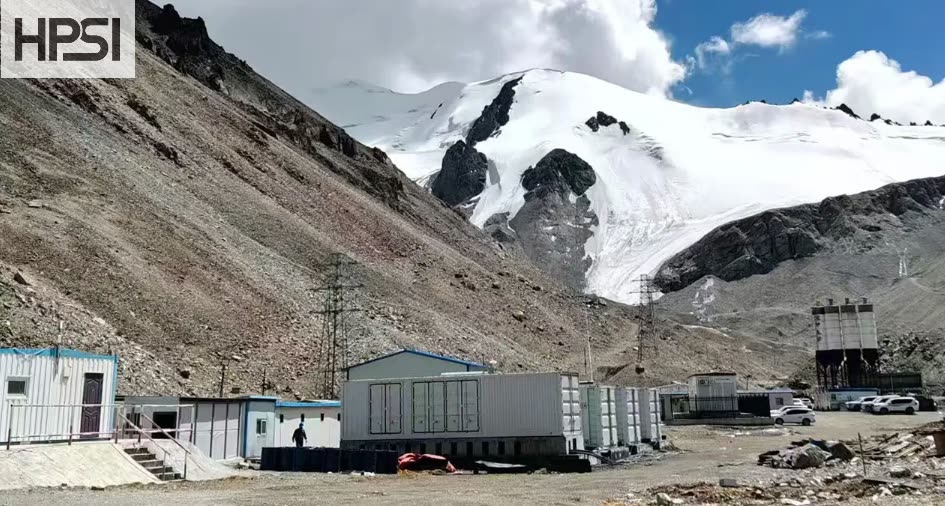
Operating diesel generators in extreme climates requires technical adjustments beyond standard equipment factory settings. Ambient temperatures dropped to -40°C cause standard diesel fuel to wax, engine oils to thicken into heavy gel, and lead-acid starter batteries to lose most of their cranking power. To keep power units fully operational in arctic environments, HPSI integrates targeted low-temperature starting packages into every custom container generator set. Engine blocks use automated jacket water heaters to maintain coolant temperature above freezing. Starter batteries sit inside insulated thermal enclosures equipped with internal heating elements, preserving essential cold-cranking amps. Furthermore, fuel delivery lines feature electric pre-heating circuits paired with low-viscosity synthetic lubrication oils, allowing large-displacement diesel engines to achieve immediate ignition under cold start conditions without severe internal mechanical wear.
High-temperature desert operations present opposite operational risks. Operating at ambient temperatures up to 50°C paired with intense solar heat radiation quickly leads to engine thermal overload, frequent safety shut-offs, or forced derating. HPSI engineers address high ambient heat through comprehensive airflow dynamics inside the container enclosure. Upgraded air-to-air charge air coolers, dual electric radiator cooling fans, and enlarged radiator face areas maximize heat dissipation rates. Standard power ratings often lose operational capacity at high ambient temperatures or elevated altitudes. To ensure actual site delivery matches specified requirements, HPSI applies precise derating curves based on specific project altitude and ambient temperature data. This transparent rating approach prevents unexpected power drops when heavy site machinery starts up under peak desert heat.
Q2: How Do Containerized Structures and Factory Pre-Wiring Enable Rapid Field Deployment?
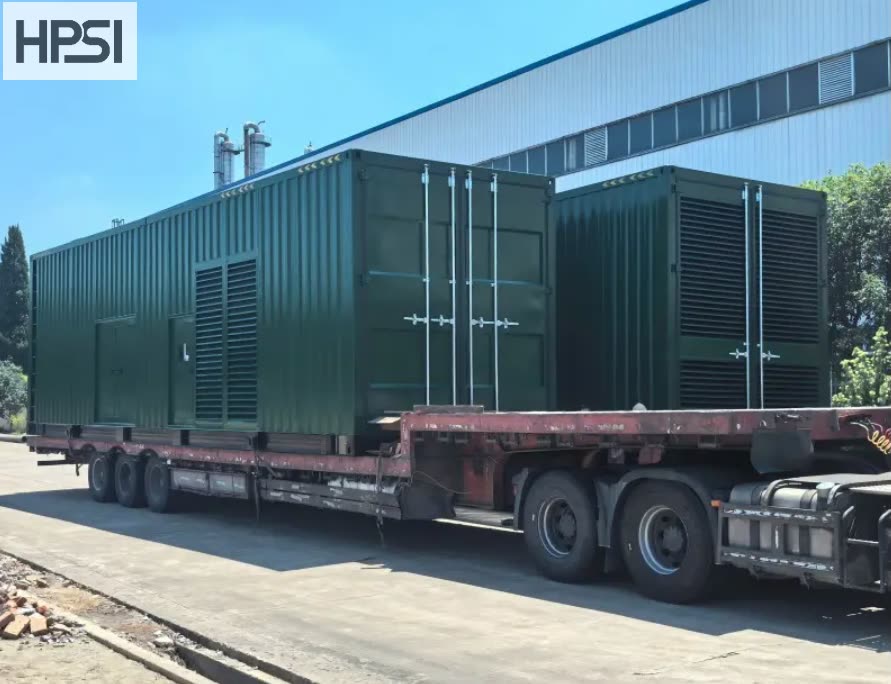
Deploying power infrastructure into remote mining camps, island construction sites, or border post installations involves difficult ocean transport and rough overland transit. Equipment enclosures must withstand marine corrosion, heavy physical handling, and dusty field conditions. Standard lightweight generator canopies often warp or suffer structural damage under such conditions. HPSI builds each container generator set inside heavy-gauge steel enclosures modeled on standard 20-foot and 40-foot ISO shipping container dimensions. These structures feature reinforced corner castings, bottom fork pockets, and top lifting lugs, enabling immediate handling via standard cranes, container reach stackers, or heavy transport trucks without requiring specialized rigging rigs.
Factory integration ensures rapid field commissioning upon arrival. Prior to dispatch, HPSI installs internal cable trays, pre-wired control panels, built-in fuel day tanks, and anti-vibration engine mounts inside the container. Outer paint treatments apply multi-layer epoxy primer and polyurethane finish coats tested against salt spray corrosion, keeping the metal shell intact during long ocean shipping voyages. When the unit reaches a remote destination, installation crews avoid building permanent brick-and-mortar generator houses or complex civil foundations. Field installation requires positioning the container unit on compacted ground, connecting main output power cables directly to site distribution boards, filling the fuel tank, and pressing the start switch. This drop-in installation process shortens site setup times from weeks to hours, making containerized units ideal for rapidly moving highway projects, temporary port power supply, and remote emergency operations.
Q3: How Do Automated Controls and Remote Telemetry Prevent Accidents During Unattended Operation?
Operating generator sets in isolated or unmanned locations requires continuous operational monitoring to prevent unexpected equipment failure. Off-grid industrial projects rarely have full-time mechanical engineers stationed on site around the clock. To safeguard equipment, HPSI equips its power packages with industry-standard digital controllers such as DeepSea or ComAp platforms. These controllers execute Automatic Mains Failure functions, handle automatic engine starting upon grid loss, manage multi-unit load sharing, and stream real-time operational metrics across satellite or cellular telemetry networks.
Digital control modules continually monitor core operational metrics, including engine coolant temperatures, oil pressure levels, alternator phase voltages, mechanical vibration, and engine compartment fuel leaks. Alarm limits are adjusted based on site single-line diagrams and local maintenance response times. When operational parameters drift past safety boundaries, the system transmits immediate push notifications to off-site maintenance teams. Automated maintenance logs track total engine run hours, issuing preventive maintenance work orders for oil, filter, and belt replacements before mechanical failures occur. By providing detailed remote diagnostic visibility, HPSI helps project operators lower field servicing costs, extend engine service life, and maintain stable continuous power across unstaffed industrial operations.
Conclusion
Delivering dependable custom power systems requires complete manufacturing control across the entire production sequence. As a specialized container generator set manufacturer, HPSI relies on an integrated industrial supply chain spanning four dedicated manufacturing bases. This structural footprint allows HPSI to control core manufacturing steps directly, including structural steel container fabrication, precision soundproof louver assembly, electrical control wiring, and full-load factory testing. Every unit undergoes rigorous pre-shipment performance testing under simulated resistive and inductive electrical loads to confirm thermal balance, voltage stability, and transient response times before leaving the plant floor.
Through a global sales network, HPSI supplies diesel and natural gas power generation equipment, water pump units, and mobile trailer systems to data centers, telecommunications networks, open-pit mines, and infrastructure developments across Southeast Asia, the Middle East, Africa, South America, and Europe. By uniting structural enclosure design, tailored thermal engineering, and automated remote controls, HPSI delivers ready-to-run containerized power stations built to withstand harsh working environments anywhere on earth.
Learn more about customized container power solutions at: https://www.hpsigenerator.com/
HPSI
HPSI
Legal Disclaimer:
EIN Presswire provides this news content "as is" without warranty of any kind. We do not accept any responsibility or liability for the accuracy, content, images, videos, licenses, completeness, legality, or reliability of the information contained in this article. If you have any complaints or copyright issues related to this article, kindly contact the author above.
